
Document reading, recognition and transcription
OCR, HTR and large language models (LLMs) for the transcription of historical printed and handwritten documents, including page segmentation, structural detection and coordinates.
AI · Humanities · Heritage
We provide specialist artificial intelligence, handwriting recognition and computational analysis services to transform historical collections into accessible, structured and reusable knowledge.
Capabilities
We design end-to-end processes to read, structure, analyse and share heritage collections while respecting the material and intellectual character of each collection.
OCR, HTR and large language models (LLMs) for the transcription of historical printed and handwritten documents, including page segmentation, structural detection and coordinates.
XML ALTO, TEI and other open formats that turn technical outputs into durable, traceable and reusable data.
Stylometry, authorship attribution and quantitative methods to formulate and test new research questions.
Entity extraction, normalisation, metadata and assisted cataloguing to connect documents, people, places and concepts.
Digital editions, structured corpora and viewers that bring sources closer to researchers and wider audiences.
Technical design, workflow assessment and research tools for sustainable, scalable digital heritage projects.
Methodology
Every collection demands its own decisions. We combine computational models, expert knowledge and quality control to preserve context, document transformations and produce verifiable results.
Our work
A selection of research projects, tools and websites developed by the founder and collaborators of HUMANITALIS.
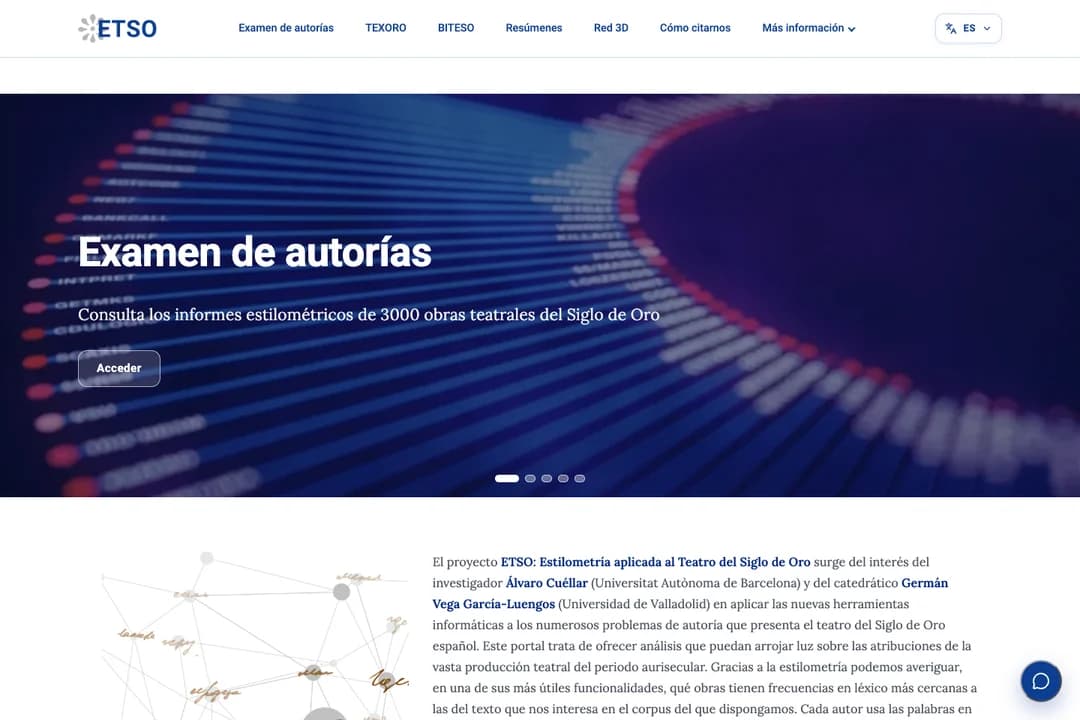
A research platform applying stylometric analysis to Spanish Golden Age theatre to study textual affinities and questions of authorship.
Explore the work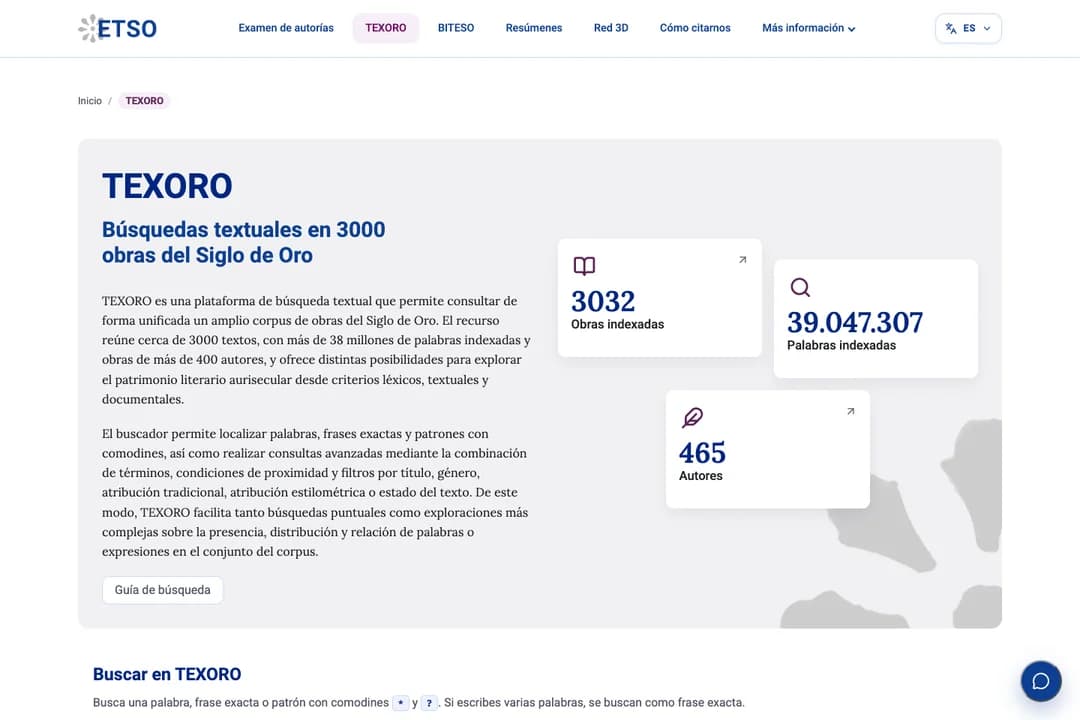
A search and exploration tool for the Spanish Golden Age theatre corpus, helping researchers locate words, expressions and passages and study the texts.
Explore the work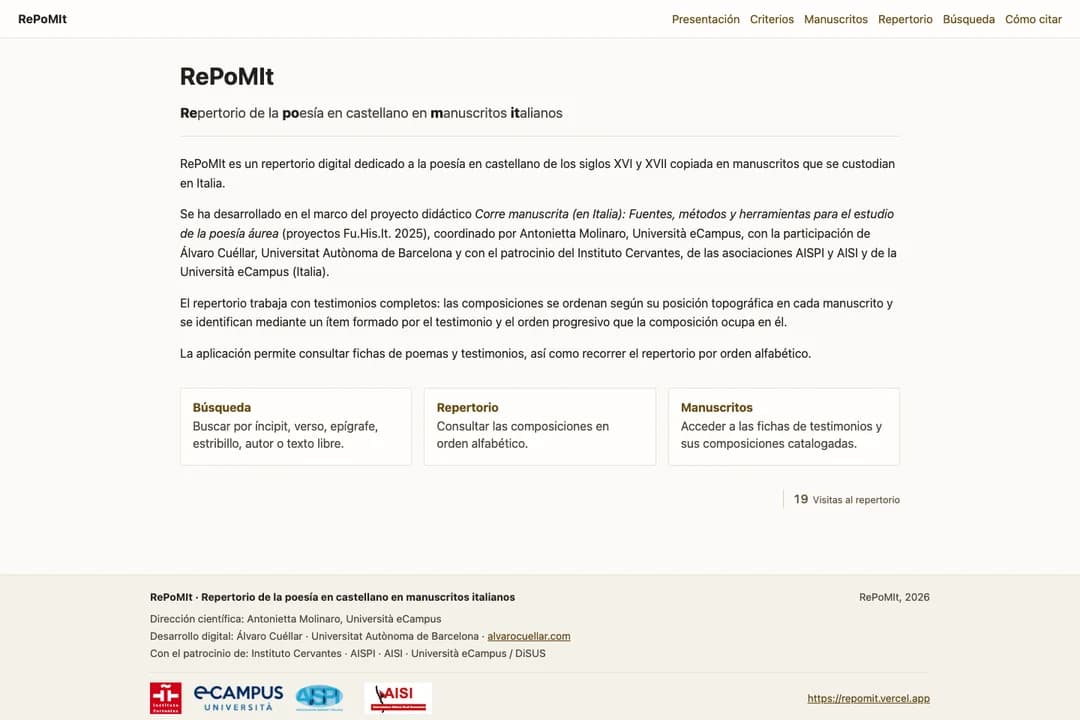
A repertory of sixteenth- and seventeenth-century Spanish poetry preserved in manuscripts in Italy, with tools to search poems and consult their witnesses.
Explore the work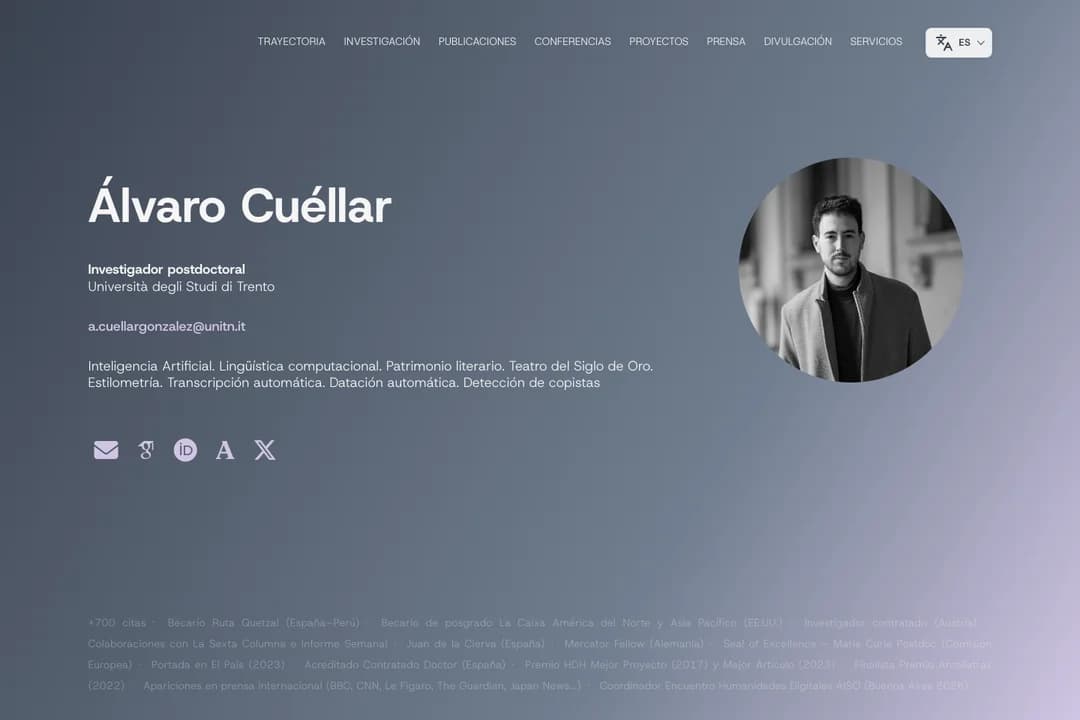
An academic website bringing together his career, publications and research projects in Digital Humanities, artificial intelligence and Spanish Golden Age literature.
Explore the work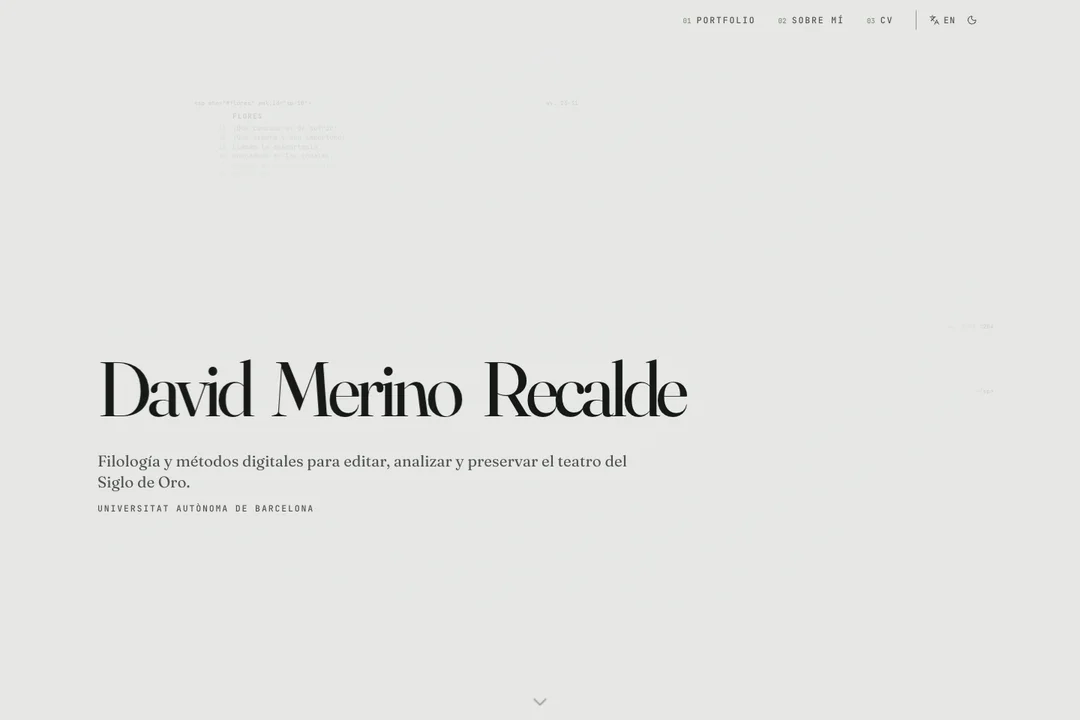
An academic website presenting his research, publications and projects on Spanish Golden Age theatre, digital scholarly editing and Digital Humanities.
Explore the work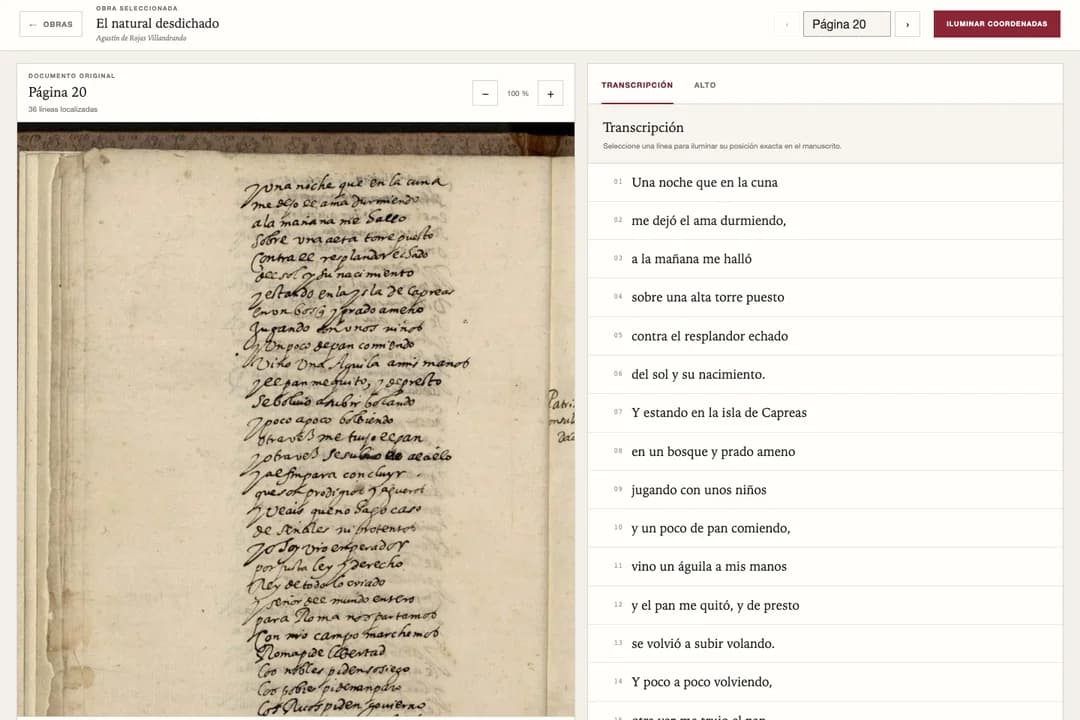
A combination of handwritten text recognition (HTR) and large language models (LLMs) to produce high-quality transcriptions of a Spanish Golden Age theatre collection.
An independent technical demonstration using BNE collections.
Explore the workHumanitalis
HUMANITALIS was born at the intersection of humanities research, cultural heritage and artificial intelligence. Its purpose is to create technically sound methods and tools that expand how historical collections can be accessed, researched and understood.
Founded by Álvaro Cuéllar, a researcher specialising in Digital Humanities, Spanish Golden Age literature, computational analysis and textual heritage.
Meet the founder
Team and collaborators
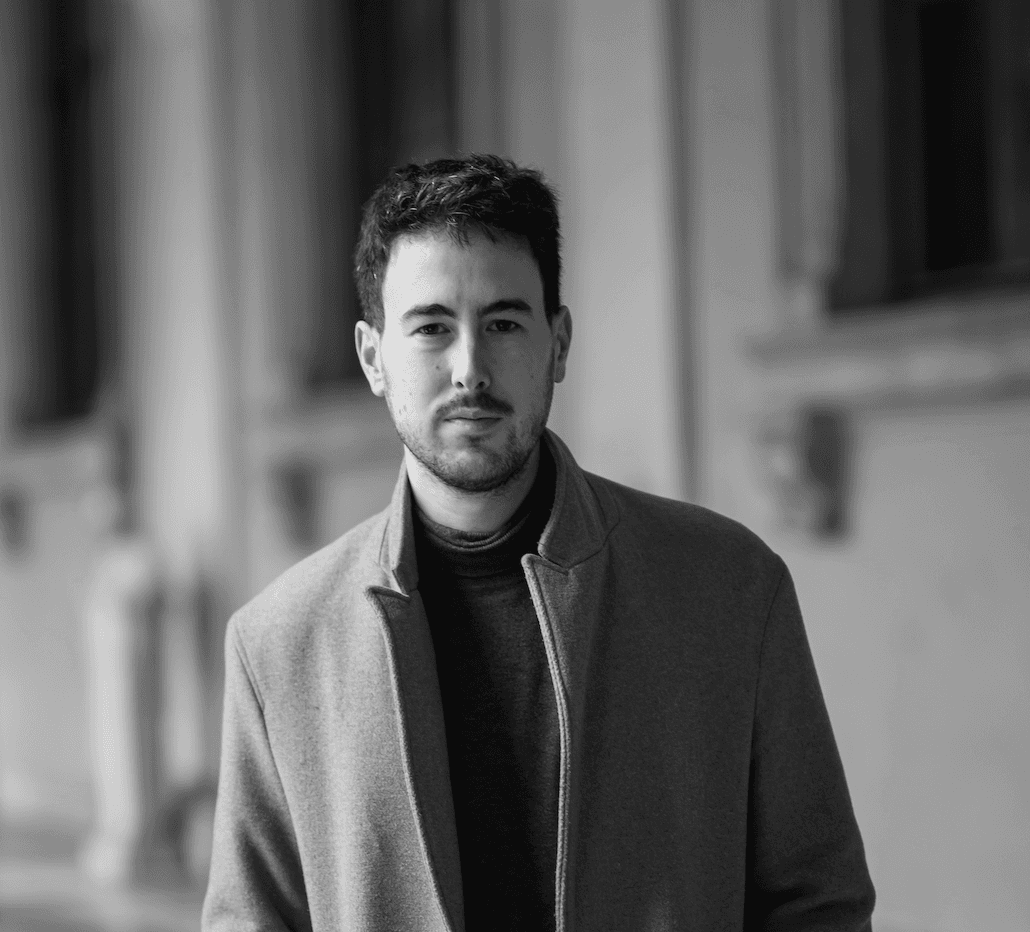
Founder · Digital Humanities researcher
Specialising in Spanish Golden Age literature, computational analysis and textual heritage. He leads HUMANITALIS’s humanistic and technological approach.
Profile and background
Project collaborator
Digital Humanities, theatre research and digital scholarly editing.
Profile and background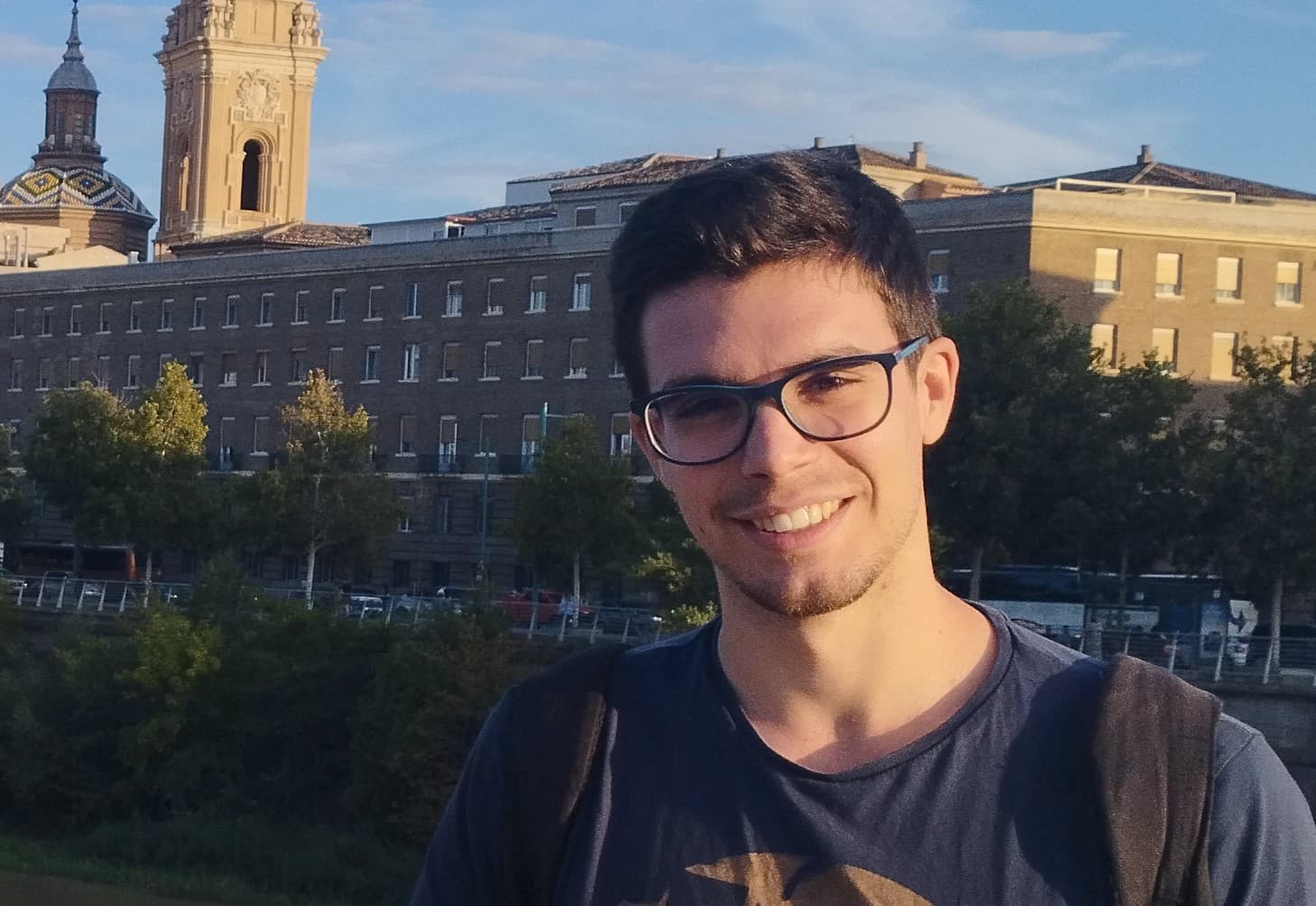
Project collaborator
Literary heritage, digital archives and bibliographic databases.
Profile and backgroundProject collaborators
Principles
Documented processes, assessable results and decisions grounded in the nature of the sources.
Open standards and data prepared to circulate, integrate and endure.
Technology that can address large collections without losing sight of the individual document.
The goal is not merely to process more, but to ask better questions and reveal new knowledge.
Services · Quote
We provide services to libraries, archives, museums, universities, research groups and cultural institutions. Tell us about your collection and its needs so we can explore how artificial intelligence could support it.
Tell us about your project